Recent Alpaca Travels
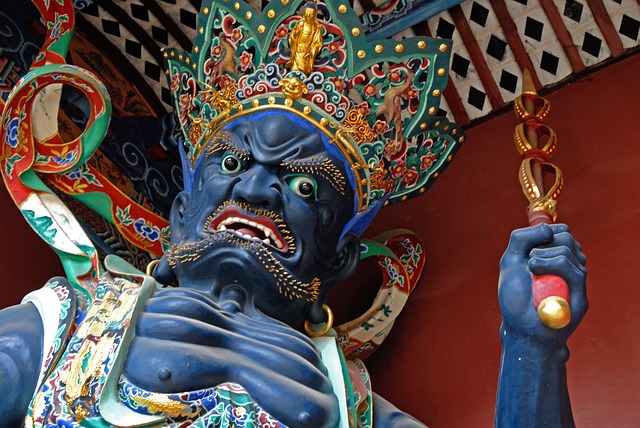
7 Kunming Travel Tips (Read Before You Land)
Heads up: some links here are affiliate links. Book or buy through them and we may earn a small commission at no extra cost to you. We only point you to things we would actually use.
Kunming’s actual travel-tips list is shorter and more specific than the generic “use your right hand, remove your shoes” etiquette advice recycled across every China-city post. What genuinely trips...
read more
Where to Stay in Kunming: 5 Real Areas
Heads up: some links here are affiliate links. Book or buy through them and we may earn a small commission at no extra cost to you. We only point you to things we would actually use.
Kunming doesn’t really have the split-personality lodging problem some Yunnan cities do, mountain terrace versus river town versus city hotel, because most of its actual sights sit close enough together that one...
read more
5 Kunming Photo Spots, Timed Right
Heads up: some links here are affiliate links. Book or buy through them and we may earn a small commission at no extra cost to you. We only point you to things we would actually use.
Kunming’s best photos aren’t really about finding the right location, they’re about hitting the right hour. Dongchuan Red Land’s color only shows up properly at sunrise or sunset. Stone...
read more
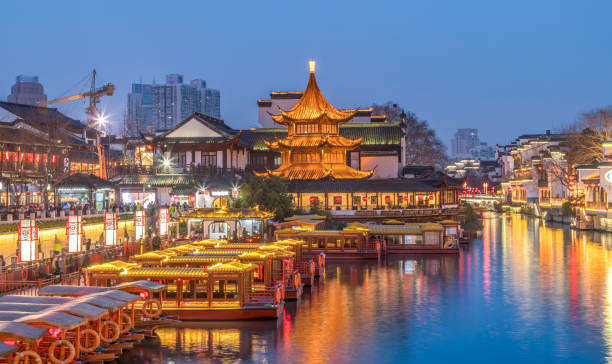
One Week in Nanjing: Offbeat
Heads up: some links here are affiliate links. Book or buy through them and we may earn a small commission at no extra cost to you. We only point you to things we would actually use.
A full week of Nanjing-only sightseeing would mean padding, so this plan is honest about what it actually is: four days in the city, then three separate day trips using Nanjing’s spot on the Beijing-Shanghai...
read more
4 Kunming Nature Spots (Not All Lakes Equal)
Heads up: some links here are affiliate links. Book or buy through them and we may earn a small commission at no extra cost to you. We only point you to things we would actually use.
Kunming’s nature spots split cleanly into two categories: things genuinely worth seeing, and one specific lake worth not swimming in. Green Lake’s winter bird migration is the city’s best free nature...
read more
Nanjing Off the Beaten Path: 6 Days
Heads up: some links here are affiliate links. Book or buy through them and we may earn a small commission at no extra cost to you. We only point you to things we would actually use.
Six days is the point where “Nanjing trip” honestly becomes “Nanjing as a base for Jiangnan,” using the city’s high-speed rail hub to reach Suzhou and Yangzhou on top of everything in...
read more
Nanjing Off the Beaten Path: 5 Days
Heads up: some links here are affiliate links. Book or buy through them and we may earn a small commission at no extra cost to you. We only point you to things we would actually use.
Five days keeps everything from the 4-day plan and adds a day trip to Suzhou, putting Nanjing’s spot on the Beijing-Shanghai high-speed rail line to good use. Shorter trip? The 4-day plan covers Days 1-4 below...
read more
Kunming Hiking: 3 Trails, 3 Difficulties
Heads up: some links here are affiliate links. Book or buy through them and we may earn a small commission at no extra cost to you. We only point you to things we would actually use.
Kunming’s hiking options split into three genuinely different tiers, and mixing them up is the easiest way to either overpack for a park stroll or underprepare for a 4,223-meter alpine climb. Western Hills is a...
read more
Nanjing Travel Tips: 9 Things to Know
Heads up: some links here are affiliate links. Book or buy through them and we may earn a small commission at no extra cost to you. We only point you to things we would actually use.
Generic “bow slightly and dress modestly” China advice floats around every listicle and skips the details that actually trip people up in Nanjing specifically: which of two different visa-free schemes...
read more
Nanjing Off the Beaten Path: 4 Days
Heads up: some links here are affiliate links. Book or buy through them and we may earn a small commission at no extra cost to you. We only point you to things we would actually use.
Four days keeps Nanjing’s city core and Purple Mountain day, then adds Niushou Mountain, one of the strangest sights near the city and a place most first-timers have never heard of. Tighter on time? Our 3-day...
read more
One Week in Kagoshima: Offbeat
Heads up: some links here are affiliate links. Book or buy through them and we may earn a small commission at no extra cost to you. We only point you to things we would actually use.
Seven days adds a Satsuma Peninsula hiking day onto the 6 day plan, going deeper into the region instead of padding more city time. Days 1-6 stay the same (city core, Sakurajima, Ibusuki, Chiran, Kirishima, offbeat...
read more
Kagoshima Off the Beaten Path: 6 Days
Heads up: some links here are affiliate links. Book or buy through them and we may earn a small commission at no extra cost to you. We only point you to things we would actually use.
Six days adds a genuinely offbeat city day onto the 5 day plan, instead of padding more time onto sights you’ve already covered. Days 1-5 stay the same (city core, Sakurajima, Ibusuki, Chiran, Kirishima); Day 6...
read more
Where to Stay in Nanjing: 4 Offbeat Picks
Heads up: some links here are affiliate links. Book or buy through them and we may earn a small commission at no extra cost to you. We only point you to things we would actually use.
Where you sleep in Nanjing changes what your mornings look like more than in most cities, since the sights split cleanly between a compact, metro-connected downtown and a separate half-day zone out at Purple Mountain.
read more
A Long Weekend in Nanjing: Offbeat
Heads up: some links here are affiliate links. Book or buy through them and we may earn a small commission at no extra cost to you. We only point you to things we would actually use.
Three days covers Nanjing’s compact city core plus a full Purple Mountain day, and it’s enough to fit the Nanjing Massacre Memorial in properly rather than as a rushed afterthought. Shorter on time? Our...
read more
Kagoshima Off the Beaten Path: 5 Days
Heads up: some links here are affiliate links. Book or buy through them and we may earn a small commission at no extra cost to you. We only point you to things we would actually use.
Five days adds Kirishima onto the 4 day city-Sakurajima-Ibusuki-Chiran plan. Days 1-4 stay the same; Day 5 heads north to Kirishima’s shrine, plateau and onsen, best done with a rental car since bus service out...
read more
Kunming Hidden Gems: 5 Local Secrets
Heads up: some links here are affiliate links. Book or buy through them and we may earn a small commission at no extra cost to you. We only point you to things we would actually use.
Kunming’s actual hidden gems aren’t the temples and parks every “insider tips” list recycles, those are the main sights, not secrets. The real under-covered material here is a preserved...
read more
Kagoshima Off the Beaten Path: 4 Days
Heads up: some links here are affiliate links. Book or buy through them and we may earn a small commission at no extra cost to you. We only point you to things we would actually use.
Four days adds Chiran onto the 3 day city-Sakurajima-Ibusuki plan. Day 1 covers Sengan-en and Shiroyama; Day 2 crosses to Sakurajima; Day 3 heads to Ibusuki; Day 4 is Chiran, a day trip that shifts tone hard between a...
read more
Nanjing Photo Spots: 6 Offbeat Angles
Heads up: some links here are affiliate links. Book or buy through them and we may earn a small commission at no extra cost to you. We only point you to things we would actually use.
One thing first: the Nanjing Massacre Memorial Hall isn’t on this list, and that’s deliberate. It’s a place of national mourning for roughly 300,000 victims, not a photo backdrop, and if you visit,...
read more
A Long Weekend in Kagoshima: Offbeat
Heads up: some links here are affiliate links. Book or buy through them and we may earn a small commission at no extra cost to you. We only point you to things we would actually use.
Three days adds Ibusuki’s sand baths onto the 2 day city-and-volcano plan. Day 1 covers Sengan-en and Shiroyama; Day 2 crosses to Sakurajima; Day 3 heads south to Ibusuki. For Chiran and Kirishima too, see the 4...
read more
A Weekend in Nanjing, Off the Beaten Path
Heads up: some links here are affiliate links. Book or buy through them and we may earn a small commission at no extra cost to you. We only point you to things we would actually use.
Two days is enough for Nanjing’s compact city core, but not for Purple Mountain, so this plan skips the tombs entirely rather than rushing them. Instead it leans into the Ming Palace ruins, Zhan Garden’s...
read more
6 Kunming Events (One Isn't a Festival)
Heads up: some links here are affiliate links. Book or buy through them and we may earn a small commission at no extra cost to you. We only point you to things we would actually use.
Kunming’s actual festival calendar is thinner than a lot of English-language write-ups suggest, since several “festivals” that circulate online, a flower expo, a folk-art festival, a street-art...
read more
A Weekend in Kagoshima, Off the Beaten Path
Heads up: some links here are affiliate links. Book or buy through them and we may earn a small commission at no extra cost to you. We only point you to things we would actually use.
Two days covers Kagoshima’s city core plus one Sakurajima ferry day, not the day trips. Day 1 covers Sengan-en’s UNESCO history and Shiroyama’s Satsuma Rebellion site; Day 2 crosses the bay to the...
read more
Nanjing Hiking: 4 Trails Worth Doing
Heads up: some links here are affiliate links. Book or buy through them and we may earn a small commission at no extra cost to you. We only point you to things we would actually use.
Nanjing isn’t a hiking destination the way Guilin or Zhangjiajie are, most of what’s here is paved or stepped path rather than technical trail, and that’s fine, the point is the sights strung along...
read more
Kagoshima: 10 Unusual Things to Do
Heads up: some links here are affiliate links. Book or buy through them and we may earn a small commission at no extra cost to you. We only point you to things we would actually use.
Kagoshima runs on Japanese yen, tipping isn’t a thing here and can mildly offend if you try it, and the volcano across the bay is real: Sakurajima has been erupting on and off since 1955, and the ferry over is a...
read more
Nanjing: 11 Unusual Things to Do
Heads up: some links here are affiliate links. Book or buy through them and we may earn a small commission at no extra cost to you. We only point you to things we would actually use.
Every Nanjing guide runs the same four stops: Sun Yat-sen Mausoleum, Fuzimiao, the city wall, a river cruise. Fine sights, all of them, but Nanjing carries six-plus dynasties of layered history, and most of it sits a...
read more
Nanjing Nature Spots: 5 Green Escapes
Heads up: some links here are affiliate links. Book or buy through them and we may earn a small commission at no extra cost to you. We only point you to things we would actually use.
Purple Mountain isn’t a UNESCO site itself, only the Ming Xiaoling tomb inside it carries that status, but it’s still the biggest single green space in the city, and it’s not the only one worth a...
read more
6 Kunming Foods That Aren't What You Expect
Heads up: some links here are affiliate links. Book or buy through them and we may earn a small commission at no extra cost to you. We only point you to things we would actually use.
Crossing-the-bridge noodles is the dish every Kunming food list leads with, and it earns the spot, a real ritual with a real legend behind it. What most lists skip past is stranger and better: a wild-mushroom season...
read more
Nanjing Hidden Gems: 5 Local Secrets
Heads up: some links here are affiliate links. Book or buy through them and we may earn a small commission at no extra cost to you. We only point you to things we would actually use.
Purple Mountain and Ming Xiaoling get the crowds, and rightly so, but Nanjing carries seven-plus centuries of capitals, rebellions, and wars that most itineraries never touch. Five corners worth the detour: a palace...
read more
6 Things to Do in Kunming, Spring City Style
Heads up: some links here are affiliate links. Book or buy through them and we may earn a small commission at no extra cost to you. We only point you to things we would actually use.
Kunming’s real to-do list is shorter and calmer than most southwestern-China itineraries, because the city itself is the draw, a mild year-round climate rather than one blockbuster monument. Six things below...
read more
Nanjing Festivals: 6 Dates to Plan Around
Heads up: some links here are affiliate links. Book or buy through them and we may earn a small commission at no extra cost to you. We only point you to things we would actually use.
Generic China-city listicles love inventing a “Nanjing Lantern Festival” or a “Nanjing International Flower Festival” that doesn’t correspond to anything actually scheduled in the city....
read more
Where to Eat in Nanjing: 7 Local Picks
Heads up: some links here are affiliate links. Book or buy through them and we may earn a small commission at no extra cost to you. We only point you to things we would actually use.
Nanjing calls itself China’s duck capital, and locals reportedly eat over 100 million ducks a year against a population of about 8 million (a figure worth treating as roughly plausible rather than exact). Salted...
read more
4 Kunming Day Trips (And Why One Isn't)
Heads up: some links here are affiliate links. Book or buy through them and we may earn a small commission at no extra cost to you. We only point you to things we would actually use.
Stone Forest is the day trip every Kunming list leads with, and for once the hype holds up: it’s the actual UNESCO-inscribed piece of the South China Karst, not a ticketed lookalike near the real thing.
read more
One Week in Nigeria: Offbeat
Heads up: some links here are affiliate links. Book or buy through them and we may earn a small commission at no extra cost to you. We only point you to things we would actually use.
Before you book: Nigeria’s main visitor circuit, Lagos, Abuja, and Cross River/Calabar, is workable for travelers who take it seriously, but large parts of the country are not. Governments including the US State...
read more
Things to Do in Nanjing: 8 Offbeat Picks
Heads up: some links here are affiliate links. Book or buy through them and we may earn a small commission at no extra cost to you. We only point you to things we would actually use.
Nanjing’s list of “must-see” attractions reads like a straight history lecture: Ming tomb, city wall, Confucian temple. What the standard list leaves out is the actual mechanics behind each one, a...
read more
Nanjing Day Trips: 5 Past Purple Mountain
Heads up: some links here are affiliate links. Book or buy through them and we may earn a small commission at no extra cost to you. We only point you to things we would actually use.
Most Nanjing lists stop at Purple Mountain, which is fair since Sun Yat-sen’s tomb and Ming Xiaoling’s Sacred Way earn the trip. What they skip is that Nanjing also sits almost exactly between Beijing and...
read more
Nigeria Off the Beaten Path: 6 Days
Heads up: some links here are affiliate links. Book or buy through them and we may earn a small commission at no extra cost to you. We only point you to things we would actually use.
Before you book: Nigeria’s main visitor circuit, Lagos, Abuja, and Cross River/Calabar, is workable for travelers who take it seriously, but large parts of the country are not. Governments including the US State...
read more
Nigeria Off the Beaten Path: 5 Days
Heads up: some links here are affiliate links. Book or buy through them and we may earn a small commission at no extra cost to you. We only point you to things we would actually use.
Before you book: Nigeria’s main visitor circuit, Lagos, Abuja, and Cross River/Calabar, is workable for travelers who take it seriously, but large parts of the country are not. Governments including the US State...
read more
Nigeria Off the Beaten Path: 4 Days
Heads up: some links here are affiliate links. Book or buy through them and we may earn a small commission at no extra cost to you. We only point you to things we would actually use.
Before you book: Nigeria’s main visitor circuit, Lagos, Abuja, and Cross River/Calabar, is workable for travelers who take it seriously, but large parts of the country are not. Governments including the US State...
read more
A Long Weekend in Nigeria: Offbeat
Heads up: some links here are affiliate links. Book or buy through them and we may earn a small commission at no extra cost to you. We only point you to things we would actually use.
Before you book: Nigeria’s main visitor circuit, Lagos, Abuja, and Cross River/Calabar, is workable for travelers who take it seriously, but large parts of the country are not. Governments including the US State...
read more
A Weekend in Nigeria, Off the Beaten Path
Heads up: some links here are affiliate links. Book or buy through them and we may earn a small commission at no extra cost to you. We only point you to things we would actually use.
Before you book: Nigeria’s main visitor circuit, Lagos, Abuja, and Cross River/Calabar, is workable for travelers who take it seriously, but large parts of the country are not. Governments including the US State...
read more
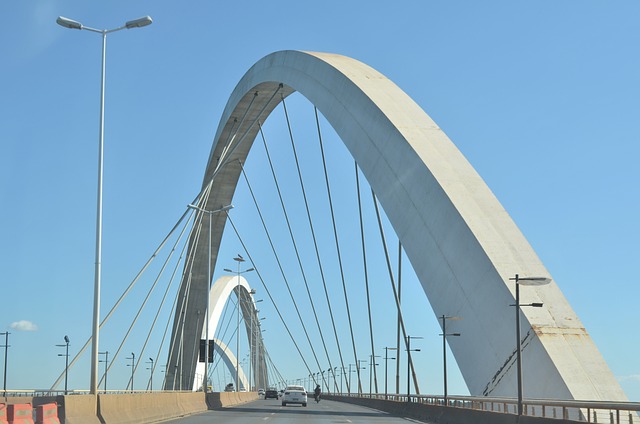
One Week in Brasilia: Offbeat
Heads up: some links here are affiliate links. Book or buy through them and we may earn a small commission at no extra cost to you. We only point you to things we would actually use.
One week fits everything the shorter versions of this trip have to split between: the 6-day route’s offbeat city days and full Chapada dos Veadeiros overnight, plus a seventh day for Pirenópolis, a colonial town...
read more
Brasilia Off the Beaten Path: 6 Days
Heads up: some links here are affiliate links. Book or buy through them and we may earn a small commission at no extra cost to you. We only point you to things we would actually use.
Six days keeps the 4-day city route’s first four days, then trades the 5-day version’s single Pirenópolis day trip for the bigger commitment: a full Chapada dos Veadeiros overnight, roughly 3 hours each...
read more
Brasilia Off the Beaten Path: 5 Days
Heads up: some links here are affiliate links. Book or buy through them and we may earn a small commission at no extra cost to you. We only point you to things we would actually use.
Five days keeps the 4-day city route intact, then uses the extra day for a single day trip rather than an overnight: Pirenópolis, a colonial gold-mining town about 150km out. Want the bigger trip instead?
read more
One Week in Kunming: Offbeat Itinerary
Heads up: some links here are affiliate links. Book or buy through them and we may earn a small commission at no extra cost to you. We only point you to things we would actually use.
A week gives this route one more day than either of Kunming’s big day trips need, and it’s honest that Day 7 stays in the city rather than manufacturing a third excursion. Days 1-6 match the 6-day version...
read more
Kunming Off the Beaten Path: 6 Days
Heads up: some links here are affiliate links. Book or buy through them and we may earn a small commission at no extra cost to you. We only point you to things we would actually use.
Six days is enough room to run both of Kunming’s big day trips without cutting either. Days 1-5 match the 5-day version of this route exactly: the wartime campus and Flying Tigers Museum, Green Lake and Yuantong...
read more
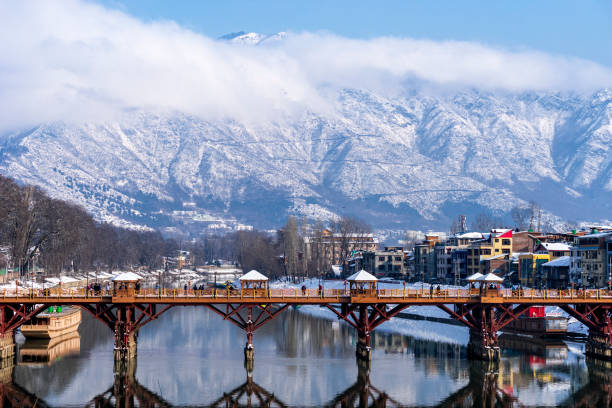
One Week in Srinagar: Offbeat
Heads up: some links here are affiliate links. Book or buy through them and we may earn a small commission at no extra cost to you. We only point you to things we would actually use.
Before you plan a full week here: Jammu & Kashmir is a security-sensitive, disputed region. The 22 April 2025 attack near Pahalgam and the India-Pakistan tension that followed are why the US State Department and...
read more
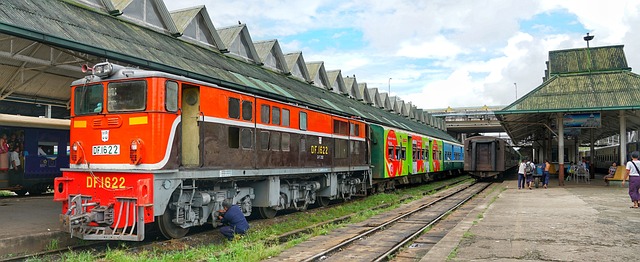
One Week in Yangon: Offbeat
Heads up: some links here are affiliate links. Book or buy through them and we may earn a small commission at no extra cost to you. We only point you to things we would actually use.
Travel advisory: Myanmar has been under military rule since the 2021 coup, and the civil war is ongoing. Most governments currently advise against travel, so check your own government’s current guidance before...
read more
Brasilia Off the Beaten Path: 4 Days
Heads up: some links here are affiliate links. Book or buy through them and we may earn a small commission at no extra cost to you. We only point you to things we would actually use.
Four days keeps the 3-day route’s civic core, superquadra walk, and Vale do Amanhecer trip, then adds a fourth day built around a pyramid temple, a wooden shack that predates every marble building in the city,...
read more
Kunming Off the Beaten Path: 5 Days
Heads up: some links here are affiliate links. Book or buy through them and we may earn a small commission at no extra cost to you. We only point you to things we would actually use.
Five days is where a genuine Dongchuan Red Land overnight starts to make sense. Days 1-3 match the 3-day version of this route exactly: the wartime campus and Flying Tigers Museum, Green Lake and Yuantong Temple,...
read more
Srinagar Off the Beaten Path: 6 Days
Heads up: some links here are affiliate links. Book or buy through them and we may earn a small commission at no extra cost to you. We only point you to things we would actually use.
Before you plan this trip: Jammu & Kashmir is a security-sensitive, disputed region. The April 2025 attack near Pahalgam and the India-Pakistan tension since are why the US State Department and UK FCDO currently...
read more